Nitinol Puncture Needle for Medical Interventional Use
Medical technology continues to move toward smaller, safer, and more precise devices. As a result, many medical manufacturers now choose nitinol puncture needle products for modern interventional procedures. The unique properties of nitinol help doctors improve accuracy while reducing patient trauma.
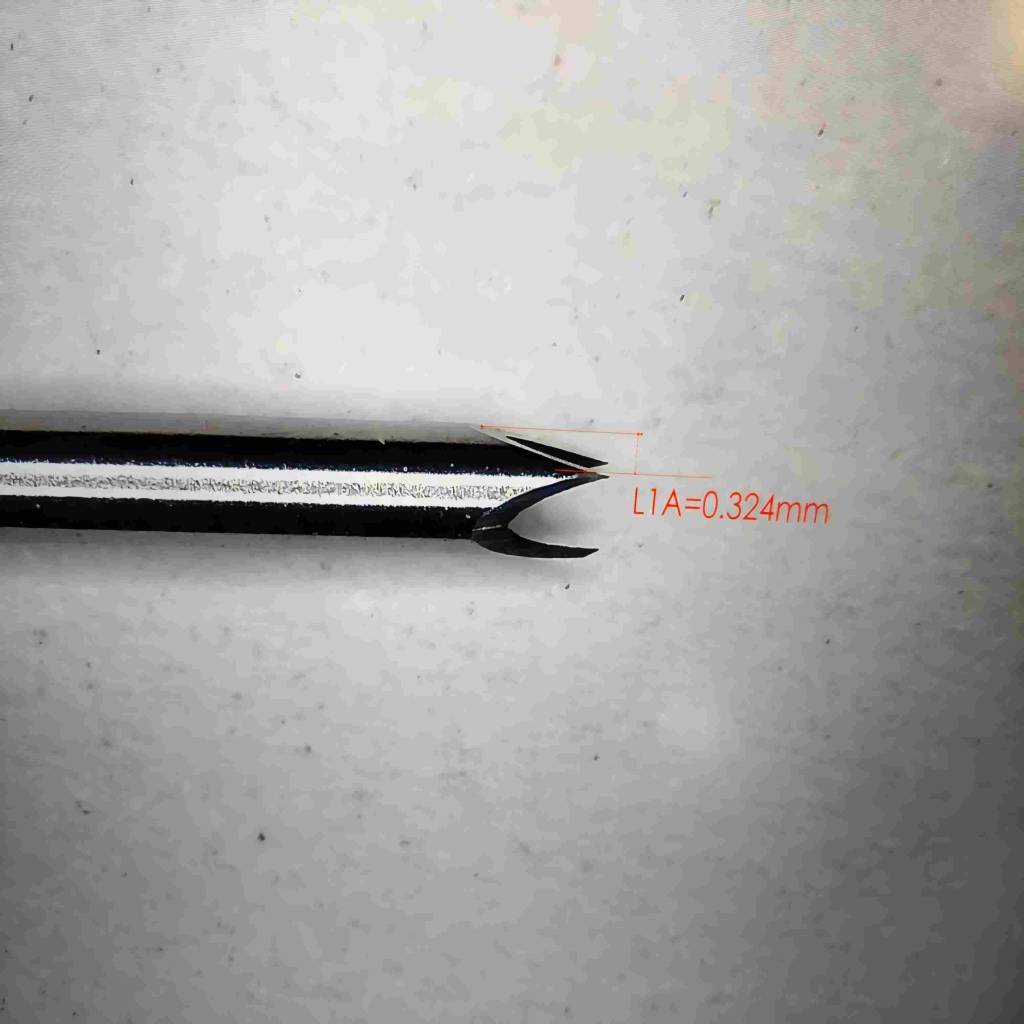
What Is a Nitinol Puncture Needle?
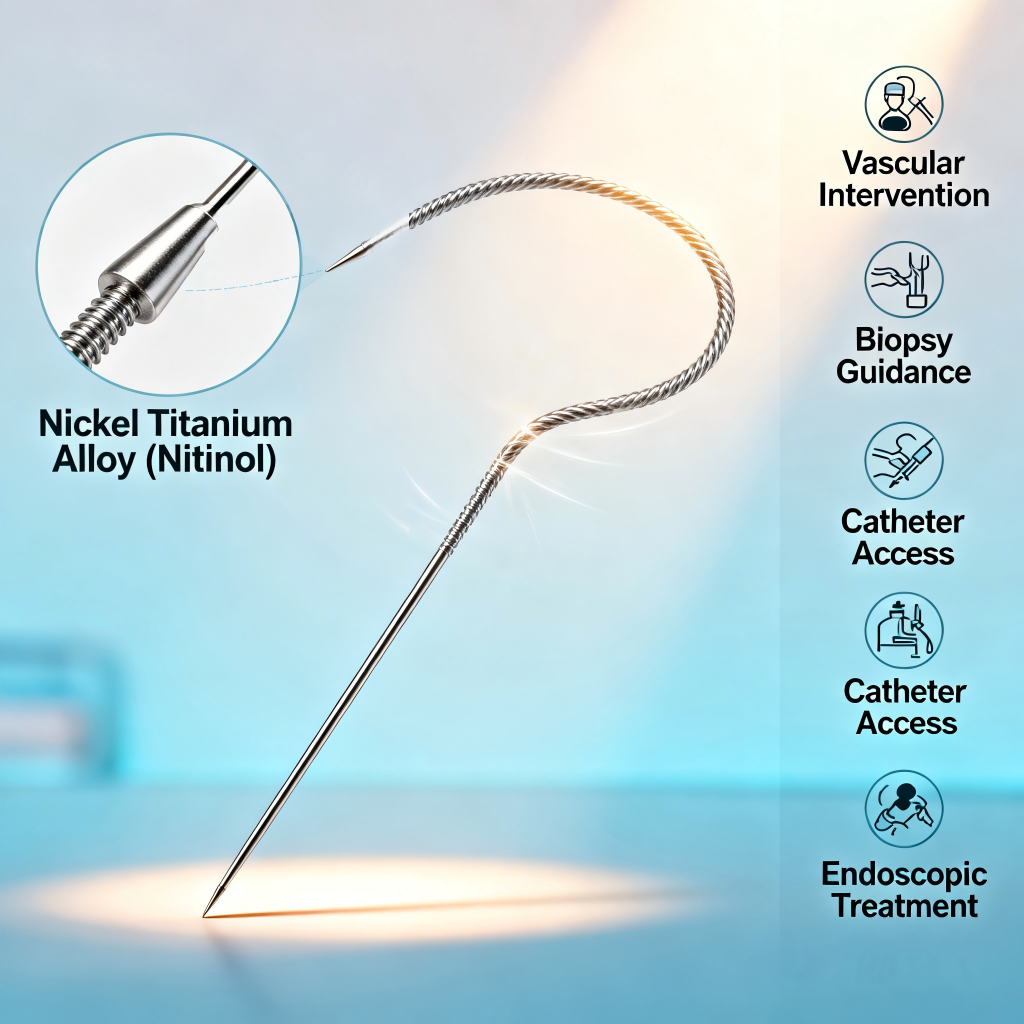
A nitinol puncture needle uses a nickel titanium alloy called Nitinol. This material combines shape memory and superelastic performance. Therefore, the needle can bend under stress and quickly return to its original shape.
Doctors often use nitinol puncture needle devices in minimally invasive procedures. These procedures include vascular intervention, biopsy guidance, catheter access, and endoscopic treatment.
Why Choose a Nickel Titanium Puncture Needle?
Excellent Flexibility
A nitinol puncture needle offers high flexibility during complex procedures. The needle can move through curved anatomical pathways with less risk of permanent deformation.
Strong Kink Resistance
Traditional stainless steel needles may bend permanently after repeated stress. However, nitinol puncture needle products resist kinking and maintain stable performance during medical intervention.
Precise Medical Interventional Performance
Doctors need accurate puncture control during delicate procedures. Nitinol material supports smooth insertion and stable navigation. As a result, medical teams can improve operational efficiency and patient safety.
Biocompatibility
Many medical manufacturers use nitinol in implants and interventional devices because the material provides good biocompatibility. This feature supports safe clinical applications.
Common Applications of Nitinol Products
Vascular Intervention
Doctors use nitinol products devices to access blood vessels during minimally invasive treatment.
Biopsy Procedures
The flexibility of the needle helps doctors reach target tissue locations with improved precision.
Endoscopic Medical Devices
Manufacturers integrate nitinol components into advanced endoscopic systems for complex surgical navigation.
Catheter and Guidewire Systems
Many interventional systems use nitinol components because the material improves flexibility and durability.
| Key Feature | Description |
|---|---|
| Superelastic Nickel Titanium Alloy | Provides excellent flexibility and shape memory performance. |
| Smooth Surface Finish | Supports smooth insertion and reduces friction during procedures. |
| Excellent Fatigue Resistance | Maintains stable performance after repeated bending and use. |
| Stable Shape Recovery | Returns to the original shape after deformation. |
| High Dimensional Precision | Ensures accurate performance for medical interventional applications. |
| Custom Diameter and Tip Design | Supports different clinical and device requirements. |
| Suitable for Minimally Invasive Surgery | Ideal for vascular intervention, biopsy, and endoscopic procedures. |
Manufacturing Advantages
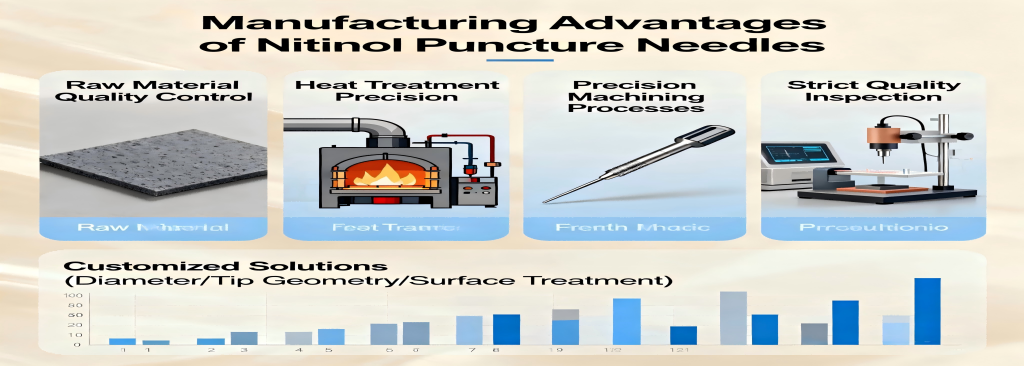
Professional nitinol products manufacturers control raw material quality, heat treatment, and precision machining processes. Strict quality inspection helps ensure stable product performance for medical interventional use.
Manufacturers can also provide customized solutions based on clinical requirements. These options include different needle diameters, tip geometries, and surface treatments.